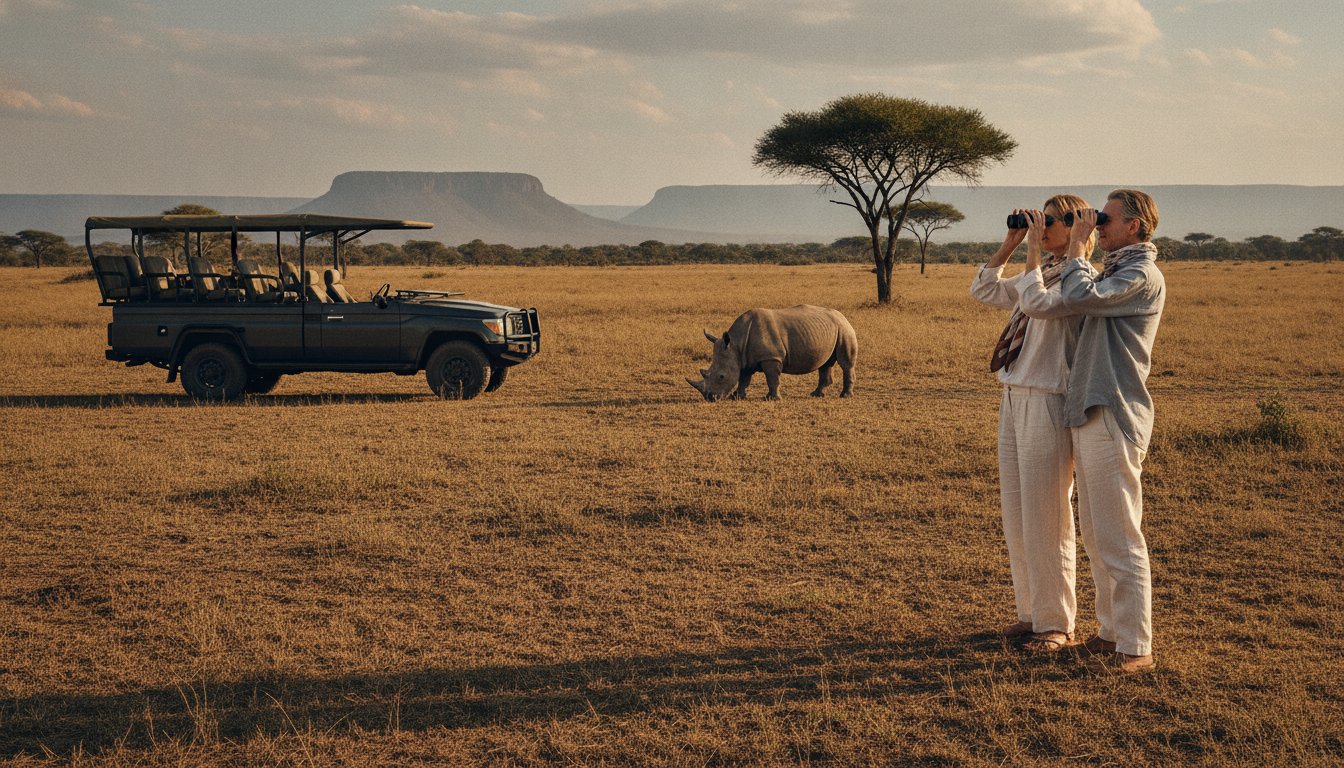
The real luxury of a 2026 safari isn't found in the thread count of the sheets or the vintage of the wine. It's the exclusivity that ensures a rhino remains safe in the bush; a direct result of a model where your presence acts as a frontline defence. If you've ever felt a twinge of guilt about the environmental cost of travel, you aren't alone. It's difficult to look past the "eco-friendly" jargon to understand exactly how luxury safaris support conservation without contributing to the very over-tourism we all want to avoid.
We've moved beyond simple sustainability into an era of conservation-led travel. This article will show you how the high-value, low-density model transforms your stay into a powerful engine for African wildlife protection and community stewardship. You'll discover where your fees actually go, from the 2026 tariff structures in Kenya to the private levies in Botswana. By the end, you'll have the clarity needed to choose an ethical operator with confidence, moving from a mere tourist to a vital partner in the preservation of these extraordinary landscapes.
Key Takeaways
- Understand the shift from passive observation to active stewardship and how your presence provides a frontline defence for endangered species.
- Learn the mechanics of the "Economics of Awe," where bed-night fees and land leases directly fund anti-poaching units and vital ecological research.
- Discover why local community empowerment is the most effective anti-poaching strategy and how premium tourism creates a sustainable alternative to the illegal wildlife trade.
- Gain the insight to look beyond "eco-friendly" marketing and identify how luxury safaris support conservation through transparent, conservation-led business models.
- Learn how to align your personal values with specific wilderness projects to ensure your journey leaves a tangible, positive legacy.
The Evolution of the African Safari: From Adventure to Stewardship
The narrative of the African safari has undergone a profound transformation. What once began as a pursuit of trophy hunting has matured into a sophisticated model of photographic stewardship. Today, the most discerning lodges aren't competing on the size of their infinity pools or the brand of their gin. They're competing on the depth of their ecological impact. This shift represents the core of how luxury safaris support conservation; the high-end travel sector has effectively become the primary financier of African biodiversity. It is a strategic funding model where the investment of awe pays for the protection of the wild.
The Shift from Quantity to Quality
Mass tourism is a heavy footprint. In fragile ecosystems like the Okavango Delta or the Serengeti, the high-value, low-volume model isn't just a business strategy. It's an ecological necessity. This model works because it prioritises the land over the ledger. By limiting the number of beds and vehicles, operators ensure the landscape remains wild and the animals remain undisturbed. This approach follows fundamental Ecotourism principles, where travel revenue is used specifically to conserve the environment and improve the well being of local people.
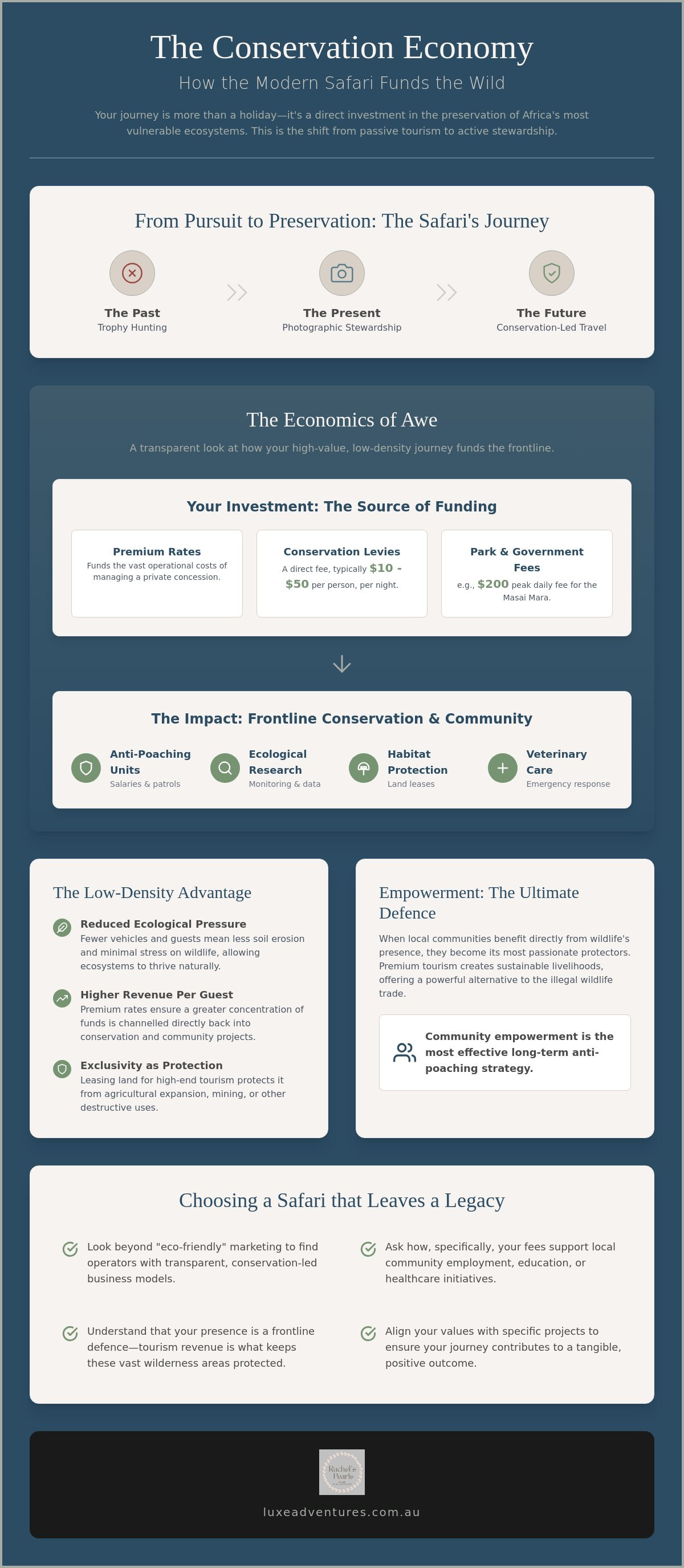
A smaller group of guests paying a premium allows for a higher concentration of funds to be directed back into the landscape. This model provides:
- Reduced Pressure: Fewer vehicles mean less soil erosion and less stress for predators and their prey.
- Higher Revenue per Head: Premium rates fund the vast operational costs of managing a private concession.
- Exclusivity as Protection: When land is leased for high-end tourism, it cannot be used for agricultural expansion or mining.
Redefining Luxury as Ecological Preservation
True luxury in 2026 is defined by access and authenticity. It's the privilege of tracking a black rhino on foot or witnessing a pride of lions without five other vehicles jostling for a view. This quiet luxury prioritises the quality of the wilderness over superficial flash. When we curate an African safari guide, we focus on vetted partners who view themselves as custodians first and hoteliers second.
The role of a travel designer is to look beyond the marketing. We identify the operators who are actually doing the work on the ground, ensuring your journey supports genuine stewardship. Understanding how luxury safaris support conservation starts with recognising that your presence is the very thing keeping these gates open. It's about connection, not just consumption.
The Economics of Awe: How High-Value Tourism Funds the Frontline
To understand the true cost of a premium African journey, one must look past the thread count and the gourmet fare. The price of entry is, in reality, a sophisticated funding mechanism for some of the world's most vulnerable ecosystems. When we discuss how luxury safaris support conservation, we are looking at a direct transfer of wealth from the traveller to the frontline of wildlife protection. This revenue covers the unglamorous but essential expenses that keep a wilderness functional: the fuel for ranger patrols, the salaries of anti-poaching units, and the veterinary fees for emergency interventions.
In 2026, the transparency of these financial flows is greater than ever. Most premier operators now include a mandatory conservation levy, typically ranging between $10 and $50 per person, per night. This is supplemented by government-mandated fees, such as the $30 Tourism Development Levy in Botswana or the $200 daily entry fee for the Masai Mara during peak season. These funds don't simply vanish into administrative black holes; they are the lifeblood of national park management and community stewardship programmes. Experts often highlight how safari tourism aids wildlife conservation by providing a consistent, non-extractive income stream that makes a living elephant far more valuable to a nation than a poached one.
Protecting Vast Landscapes through Low-Density Bed Nights
The "exclusive use" model is perhaps the most effective tool in the conservationist’s arsenal. By leasing vast tracts of land for private concessions, luxury lodges create vital buffer zones around national parks. These concessions act as extended habitats, allowing wildlife to migrate safely beyond official park boundaries. Because these areas are funded by a small number of high-paying guests, the ecological footprint remains minimal while the security presence remains high. A single twelve-bed lodge can generate sufficient revenue through lease fees and conservation levies to effectively patrol and protect a 50,000-hectare concession that would otherwise be vulnerable to encroachment.
Direct Funding for Anti-Poaching and Species Restoration
In South Africa, where African Luxe Travel specializes in high-end private tours, a 1% Community Levy is added to bookings to ensure local neighbours are stakeholders in the land's success. In Botswana, tourism revenue has been the primary driver behind ambitious rhino reintroduction programmes, moving these targeted animals from high-risk areas to the relative safety of the Delta.
- K9 Units: Many lodges fund the training and housing of tracker dogs, which are the most effective deterrent against nocturnal poaching.
- Aerial Surveillance: Your bed-night fee helps keep helicopters in the air for census counts and rapid response.
- Research and Data: High-end camps often host resident biologists, using guest revenue to track predator movements and genetic diversity.
If you're ready to see how your travel can become a catalyst for protection, we can help you design a journey that aligns with your values. Choosing the right operator ensures that your investment in awe is an investment in the future of the wild.
Beyond the Wildlife: Why Community Empowerment is Conservation’s Secret Weapon
Conservation doesn't happen in a vacuum. It happens in a social landscape where the boundaries between wilderness and human habitation are often porous and fraught with tension. For a farmer on the edge of the Serengeti, an elephant isn't a majestic sight to be photographed; it's a three-tonne wrecking ball that can destroy a year’s worth of food in a single night. This is the reality of human-wildlife conflict. When we examine how luxury safaris support conservation, the most profound impact is often found in the villages bordering the concessions, where the perception of wildlife is being fundamentally rewritten from a threat into a shared asset.
A job at a premier lodge is arguably the most effective anti-poaching tool ever devised. It replaces the desperate, high-risk income of the illegal wildlife trade with a stable, dignified career. This isn't just about hiring a few gardeners. It’s about creating a robust "conservation economy" where the success of the lodge is directly tied to the prosperity of the people. When the community sees a tangible link between a thriving lion population and the funding of a local clinic, they become the first line of defence against outside poachers. They aren't just bystanders; they're stakeholders.
Local Employment and the Multiplier Effect
The impact of a single lodge salary in rural Africa is extraordinary. Research consistently shows a multiplier effect where one hospitality or guiding role supports an extended family of up to ten people. Premium operators prioritise long-term career paths, investing in rigorous training programmes for trackers, specialist guides, and senior management. This investment in human capital ensures that local leadership is at the heart of the operation. Your stay doesn't just provide a bed; it funds the clean water projects and mobile health clinics that the state often cannot reach, ensuring the "luxury" you experience has a deeply grounded, ethical foundation.
Education and Health as Conservation Pillars
The long game of stewardship is won in the classroom. Many of our vetted partners fund conservation clubs in local schools, where children who have only ever known wildlife as a danger learn about the ecological importance of their heritage. This education is often paired with practical health initiatives. There is a direct, documented link between community health and the reduction of bushmeat poaching; when families have food security and access to medical care, the necessity to hunt for survival disappears. By choosing an operator that treats health and education as conservation pillars, you're ensuring that the next generation of custodians has the resources to protect the land you’ve come to admire.
Navigating the ‘Eco’ Noise: How to Vet a Truly Ethical Safari Lodge
The term "eco" has been stretched so thin it is practically translucent. In the safari world, it often manifests as a bamboo toothbrush or a solar-powered light bulb; gestures that are commendable but ultimately superficial. If we are serious about how luxury safaris support conservation, we must look for the engine under the hood. A truly conservation-led lodge doesn't just reduce its harm. It actively repairs the landscape. It is the difference between a hotel that happens to be in the bush and a conservation project that happens to have guest rooms.
Solar panels are now the industry standard; they are the bare minimum, not the final destination. The real question is whether the lodge is a passive observer or a strategic guardian of the land. This is where the expertise of a bespoke travel designer becomes invaluable. We look past the glossy brochures to verify claims on the ground, ensuring your investment reaches the rangers and researchers who need it most. We ask the difficult questions so you don't have to.
Transparency in Sustainability Reporting
Don't be afraid to ask for the data. An ethical operator should be able to provide an annual impact report that details specific, audited metrics. Look for "hectares protected per guest" or the percentage of "local spend" within a 50-kilometre radius. These numbers tell a far more compelling story than a generic sustainability policy. While third-party certifications have their place, they often lack the nuance of lived experience. We prioritise the gold standard of personal validation; visiting the sites, meeting the conservation teams, and seeing the tangible results of their stewardship first-hand.
Tangible Impacts vs. Marketing Clichés
Avoid the "plastic-free straw" trap. While eliminating single-use plastic is necessary, it is a drop in the ocean compared to funding a 24-hour anti-poaching patrol or a predator research programme. Rachel Cleary’s "sniff test" for authentic stewardship is simple: ask what happens to the land if the lodge closes tomorrow. If the answer is that the wildlife protection and community programmes would collapse, you have found a lodge that is truly integrated into the ecosystem.
Authentic conservation is often unglamorous. It is fuel receipts, fence maintenance, and ranger salaries. It is the hard, daily work of stewardship that continues long after the sundowners have been packed away. If you want to ensure your next journey is built on substance rather than noise, let us curate an ethical safari itinerary for you. We focus on the partners who define luxury through their legacy, not just their list of amenities.
The Curated Connection: Choosing Safaris that Leave a Legacy
Intentionality is the new currency of the discerning traveller. In 2026, luxury is no longer defined by what you can acquire, but by what you can protect. The most profound journeys are those where your personal values align with the landscape you inhabit. This is the ultimate emotional payoff; the quiet satisfaction of knowing that while you enjoy a sundowner in the Silvan Sands, your presence is directly paying the salary of the tracker who helped you find those lions. Understanding how luxury safaris support conservation allows you to move beyond the role of a spectator and become a vital participant in a legacy of preservation.
Choosing the right journey requires a move away from the noise of generic booking engines toward a more considered, experience-led approach. We look for partners who treat the wild as a sanctuary rather than a stage. Organisations like Singita and Great Plains are our benchmarks; these are entities where conservation is the primary purpose and the hospitality, however refined, is the engine that drives it. By matching your interests to specific projects, whether it is predator research in the Selinda Reserve or community health in the Sabi Sands, we ensure your travel spend becomes a targeted investment in the future of the continent.
Why Vetted Experience Matters
A curated journey is built on the foundation of firsthand validation. We don't rely on brochures; we rely on the dust on our boots and the relationships we've built with researchers on the ground. This level of insight ensures that your investment reaches the frontline of stewardship rather than being diluted by administrative layers. There is a distinct peace of mind that comes with a Virtuoso-backed itinerary. It provides more than just the tangible benefits of room upgrades, daily breakfast, and VIP access. It offers the assurance that you are part of a global network that prioritises ethical travel and rigorous standards of excellence.
The Luxe Adventures Approach to Ethical Curation
Our "Refined by Experience" philosophy is the lens through which we view every itinerary. We believe that a safari should be as restorative for the guest as it is for the ecosystem. This balance is delicate and requires a deep understanding of how luxury safaris support conservation through systemic change. We design journeys that prioritise space, silence, and authentic connection, ensuring that your presence adds value to the land without overwhelming it.
The path to a meaningful African journey begins with a conversation. We take the time to understand your perspective, your values, and the legacy you wish to leave behind. If you are ready to explore the wild with intentionality, we invite you to start your journey with a personal consultation. Together, we can design a journey that is as profound as the landscapes you are about to discover.
Defining Your Legacy in the African Wild
The landscape of African travel has matured into something far more profound than simple sightseeing. It is now a space where your presence acts as a silent guardian for the world's most iconic species. We have explored how the high-value, low-density model is a strategic necessity, providing the financial backbone for anti-poaching units and community health initiatives. Understanding how luxury safaris support conservation transforms your journey from a personal indulgence into a powerful act of stewardship.
As a Virtuoso Member and a specialist in African safari curation, I take the responsibility of vetting these experiences seriously. I personally visit the lodges and meet the conservation teams to ensure that every itinerary I design has a tangible, positive impact on the ground. You deserve the peace of mind that comes with knowing your investment is reaching the frontline of protection. The wild is waiting, and its future is shaped by the choices we make today.
Begin your journey of intentional stewardship with a bespoke safari consultation. We look forward to helping you discover a connection to the wild that is as deep as it is enduring.
Frequently Asked Questions
How much of my safari cost actually goes to conservation?
The exact percentage varies by operator, but your contribution is structured through several layers. It includes mandatory government levies, such as the $30 Tourism Development Levy in Botswana or the $200 peak-season daily fee in the Masai Mara. Beyond these, premier lodges often direct between $10 and $50 per person, per night into private conservation funds. This revenue covers the high operational costs of anti-poaching patrols, land leases, and ecological research that keep the wilderness intact.
Is a luxury safari better for the environment than a budget one?
Generally, the high-end model is more ecologically sound because it prioritises low-density travel. By charging a premium, lodges can protect vast tracts of land with a very small number of guests. This reduces the physical pressure on fragile ecosystems, meaning fewer vehicles on the tracks and less stress for the wildlife. This is the core of how luxury safaris support conservation; they replace volume with value to ensure the land isn't overwhelmed by mass tourism.
What is the "High-Value, Low-Impact" tourism model?
This is a strategic approach to travel that focuses on generating significant revenue from a limited number of visitors. Pioneered by Botswana, it treats the wilderness as a finite, precious resource. By limiting bed numbers and vehicle access, the model ensures that the environment remains pristine while still generating enough income to fund national parks and community stewardship programmes. It is an investment in quality and exclusivity that directly pays for environmental protection.
Can I visit the conservation projects funded by my stay?
Many of the lodges we partner with encourage guests to engage with their frontline work. You can often visit anti-poaching K9 units, predator research centres, or community-run clinics and schools. These aren't tourist spectacles; they are genuine educational opportunities. Seeing the tangible results of your travel spend provides a deeper connection to the destination and a clearer understanding of the challenges facing these ecosystems.
How do luxury lodges help prevent poaching?
Lodges act as a permanent, protective presence in the bush. Their revenue funds the salaries of rangers and the deployment of advanced technology like thermal imaging and aerial surveillance. Perhaps more importantly, they provide stable employment for local communities. When a living animal represents a secure income and a better future for a family, the incentive for poaching disappears. Your presence effectively turns local residents into the most dedicated guardians of the wild.
What should I look for in a lodge’s sustainability report?
Look for specific, audited data rather than vague "eco" promises. A transparent report will list metrics such as hectares protected per guest, the percentage of local staff in management roles, and audited water usage figures. Avoid lodges that focus only on visible tokens like paper straws. A truly conservation-led lodge will be able to demonstrate how luxury safaris support conservation through systemic, long-term impact on the surrounding landscape and its people.
Are there specific African countries that lead in ethical safari travel?
Botswana remains the gold standard for its strict low-volume policy and commitment to community-led conservation. Kenya has also made significant strides with its private conservancy model, which allows the Maasai people to lease their land for tourism while maintaining ownership. South Africa’s private concessions, particularly those bordering Kruger National Park, are world leaders in sophisticated species restoration and high-tech anti-poaching initiatives.
How does Luxe Adventures vet the conservation claims of safari lodges?
We rely on personal validation and firsthand research rather than marketing brochures. I personally visit the properties we recommend to interview the conservation directors and observe the community impact for myself. We look for deep integration between the lodge and the landscape. If a property doesn't pass our "sniff test" for authentic stewardship, it doesn't make it into our curated collection, regardless of how beautiful the rooms might be.
Article by
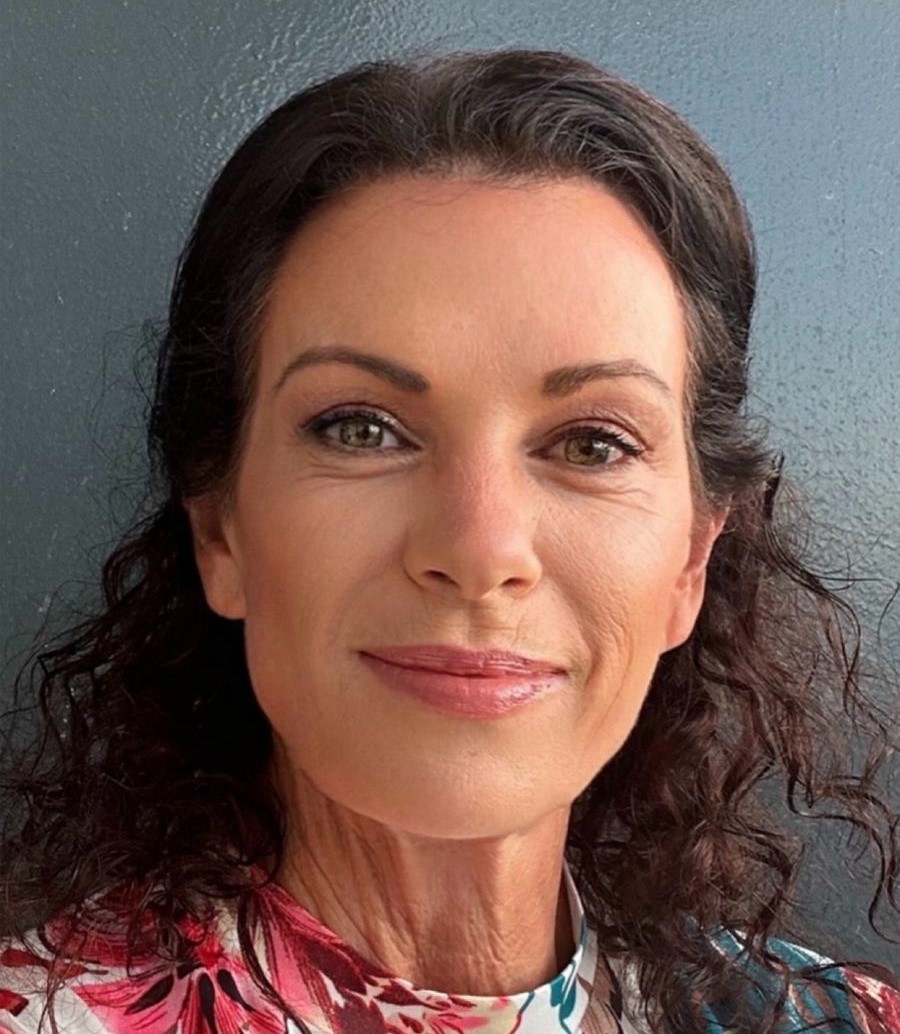
Rachel Cleary
Rachel Cleary is the founder of Luxe Adventures and an endlessly curious explorer with a passion for meaningful, experience-led travel. Having visited every continent and travelled to more than 100 countries — and counting — she believes travel is one of the greatest educations for both children and adults alike.
Rachel is addicted to scuba diving and gets underwater at every opportunity. When she isn't in the office you'll find her exploring remote reefs in Fiji, drift diving in the Maldives, or scuba cruising Raja Ampat or French Polynesia.
Her second home is Fiji where she has explored all the island groups and has favourite boutique resorts she returns to every year, for the diving and the authentic Fijian hospitality.
Get her talking about kayaking in Antarctica or the Arctic, African safaris and where to find the highest density of big cats, underwater adventures, remote expedition destinations, or the science and magic behind the Northern Lights — including when and where they are most likely to dance — and you may be there a while.
Through Luxe Adventures, Rachel combines firsthand experience, global industry connections, and a deep appreciation for nature, culture, food, wildlife, and human connection to help curious travellers explore the world in a way that feels seamless, personal, and unforgettable.
Refined by experience. Defined by connection.
Disclaimer
The information in this article is intended as general travel inspiration and guidance only. Travel requirements, hotel standards, airline schedules, entry regulations, weather conditions, pricing, and experiences can change without notice.
While every effort is made to ensure accuracy at the time of publishing, Luxe Adventures recommends confirming all details relevant to your personal travel plans before booking or travelling.
Opinions, recommendations, and destination insights shared in this article are based on firsthand experience, industry knowledge, and research at the time of writing. Experiences may vary depending on season, supplier changes, local conditions, and individual travel preferences.
Some articles may reference luxury travel affiliations, preferred partner programs, or value-added amenities available through Luxe Adventures. Benefits and inclusions are always subject to availability and supplier terms at the time of booking.
Luxe Adventures strongly recommends comprehensive travel insurance for all international travel.
For personalised travel advice, tailored itinerary design, or the latest destination updates, please contact Luxe Adventures directly.


